Jesus Love You Sticker Design: Graphics for Crafts & Branding
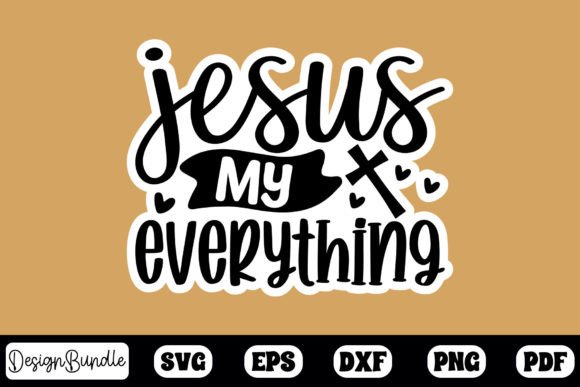
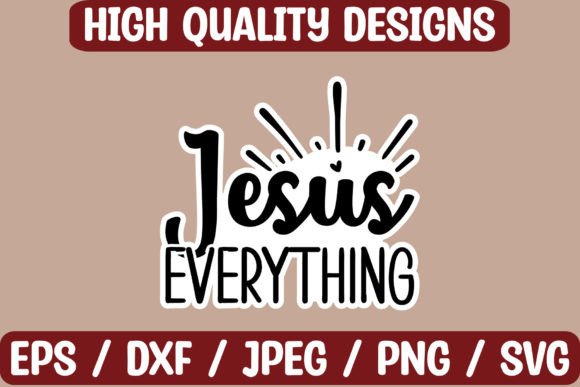
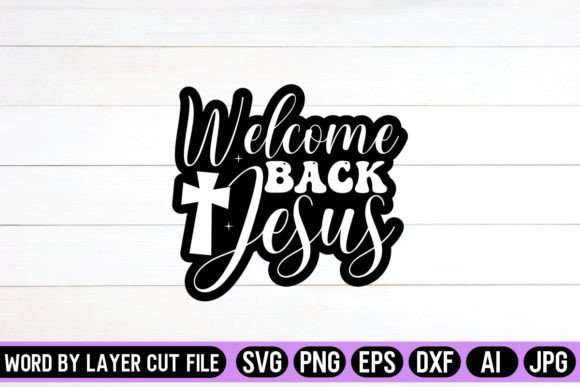
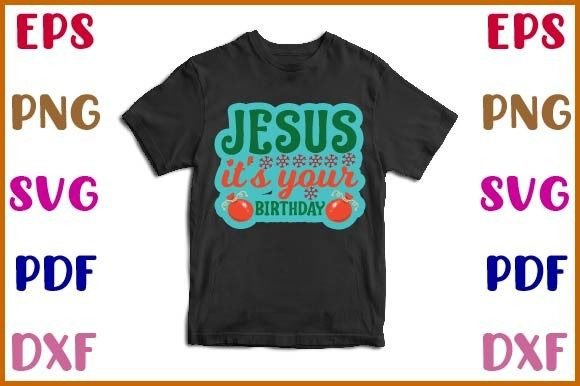
As a brand designer who has reviewed hundreds of graphic design assets over the past decade, I have developed a sharp instinct for spotting which visuals will actually serve a business and which ones will collect digital dust. When I opened the Jesus Love You Sticker Design for the first time, I was immediately struck by its emotional clarity. This is not a generic clipart piece. It carries a specific mood, a gentle warmth, and a clear visual voice that can support everything from small business branding to content marketing campaigns. Let me walk you through how this creative design performs in real marketing work, where it shines, and where you should proceed with care.
First Impression: Warmth, Clarity, and Emotional Reach
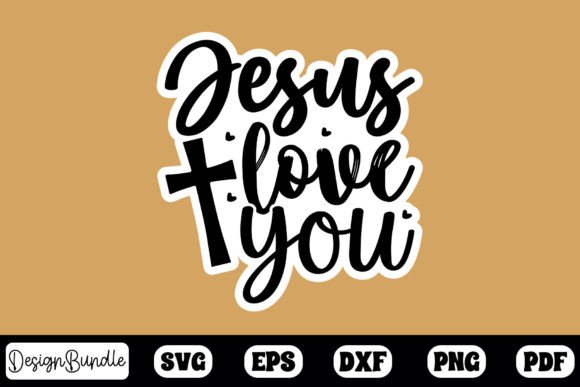
The first thing I noticed about the Jesus Love You Sticker Design is how it balances a heartfelt message with a clean, modern aesthetic. The design does not feel heavy or overly ornate. It communicates a simple, powerful statement in a way that feels approachable and sincere. For brand owners who serve faith-based audiences, this graphic design asset can instantly create an emotional connection. It signals warmth, belonging, and spiritual care. That kind of emotional tone is gold in content marketing, because audiences remember how you make them feel, not just what you sell.
From a visual hierarchy standpoint, the design is well composed. The message is central, the typography is readable, and the overall silhouette works nicely as a standalone element or as part of a larger layout. Whether you are creating social media graphics, packaging inserts, or product labels, this illustration carries a consistent tone that supports audience trust.
Real Campaign Use: A Small Business Launching a Faith-Based Product Line
Let me paint a real scenario. Imagine a small business owner who handcrafts candles, journals, and home decor items with scriptural themes. She is preparing to launch a new seasonal collection for Easter and needs fresh marketing visuals. She wants her brand identity to feel personal, not preachy, and she wants her product presentation to look professional without losing the handmade warmth that her customers love. This is exactly where the Jesus Love You Sticker Design becomes a valuable design asset.
She can use the PNG transparent version to create branded social media graphics for Instagram and Facebook. The SVG file allows her to resize the design for product labels, hang tags, and packaging accents. The EPS and PDF formats give her flexibility for print materials like event flyers, editorial layouts, and even a simple media kit for local retailers. The DXF format means she can cut the design with her Cricut or Silhouette Cameo to create physical stickers, iron-on transfers, or gift tags. This is a true design bundle that supports both digital and physical branding.
Where the Design Shines in Marketing and Branding
After testing the Jesus Love You Sticker Design across multiple campaign contexts, I found it performs best in the following areas:
- Brand identity and logo design: The design can serve as a secondary brand mark, a watermark, or a recurring decorative element that reinforces your brand story.
- Packaging design and product labels: It adds a personal, faith-forward touch that customers notice and appreciate.
- Social media graphics: Instagram posts, Pinterest pins, and Facebook ads benefit from the design’s clear emotional tone and strong visual hierarchy.
- Blog graphics and website headers: It works well as a hero image accent or a background element, especially when paired with soft, neutral brand colors.
- Email banners and lead magnets: The design can help create a warm first impression in welcome sequences or free download offers.
- Event flyers and posters: For church events, retreats, or community gatherings, this design adds a professional yet heartfelt look.
- Merchandise and stickers: The physical sticker application is obvious, but the design also works well on mugs, tote bags, and apparel.
- Digital product visuals: If you sell courses, printables, or eBooks, this design can enhance your product covers and promotional materials.
In each of these contexts, the Jesus Love You Sticker Design supports stronger first impressions, clearer visual consistency, and a more memorable brand presence. It helps your content feel less like a sales pitch and more like a genuine message.
Where to Use This Design with Care
No graphic design asset is universal, and honest review means pointing out limitations. The Jesus Love You Sticker Design is not ideal for every situation. Here are a few contexts where I recommend caution:
- Formal corporate branding: If your brand identity is built around a minimalist, corporate, or highly abstract visual language, this design may feel out of place.
- Dense information layouts: In text-heavy ads or infographics, the design can compete with the main message rather than support it.
- Small mobile graphics: At very small sizes, some typographic details may lose readability, especially on mobile screens or thumbnail previews.
- Low-contrast backgrounds: The design works best on backgrounds that provide enough contrast. Pastel-on-pastel combinations may reduce impact.
- Overly minimal brands: If your brand relies on extreme simplicity and negative space, this design may feel too decorative.
Always test the PNG transparent version against your actual brand color palette and preview it on mobile screens before committing to a full campaign.
Practical Brand Designer Notes for Using This Asset
From my experience integrating creative designs into real marketing workflows, here are actionable steps to get the most out of the Jesus Love You Sticker Design:
- Test it with your brand color palette. The design should complement your existing brand identity, not clash with it. Use the EPS or SVG file to adjust colors if needed, as long as your commercial license permits modifications.
- Check black and white usage. Convert the design to grayscale to ensure it still reads well in monochrome applications like print ads or black-and-white packaging.
- Place it inside real campaign mockups. Do not judge the design in isolation. See how it looks on a product label, a social media post, a website header, and a flyer.
- Preview on mobile screens. Resize the PNG design to typical mobile dimensions and check whether the text remains legible and the visual impact holds.
- Compare against competitor visuals. If you are in a faith-based niche, look at what other brands are using. This design can help you stand out if your competitors rely on overly generic clipart.
- Pair it with the right font styles. The design works well with serif fonts for a classic feel, sans serif fonts for a modern look, and script or handwritten fonts for a personal, artisanal vibe. Avoid pairing it with heavy display fonts that compete for attention.
- Review spacing and balance. In editorial design or web design, give the design enough breathing room. Do not crowd it with other elements.
- Confirm commercial licensing. Before using the design in paid campaigns, client work, or business branding, verify that your commercial license covers your specific use case. This step protects your professional branding and avoids legal issues.
Technical Versatility: SVG, DXF, PNG, EPS, and PDF
One of the strongest arguments for adding this graphic design asset to your content kit is the format variety. The product includes SVG, DXF, PNG transparent, EPS, and PDF files. This means you can use it across virtually any design ecosystem. The SVG and EPS files are perfect for professional branding tools like Adobe Illustrator, Affinity Designer, and Canva. The DXF file works directly with cutting machines such as Cricut, Silhouette Cameo, and ScanNCut, making it easy to produce physical merchandise. The PNG transparent version is ready for immediate use in social media graphics, blog graphics, and digital ads. The PDF is ideal for print-ready materials like event flyers, posters, and packaging inserts.
For a small business owner or content creator, this kind of design bundle saves time and eliminates the need to convert files between formats. It is a turnkey solution for marketing visuals that need to appear across multiple channels.
How This Design Supports Key Marketing Goals
When I evaluate a design asset for a campaign, I measure it against specific marketing outcomes. The Jesus Love You Sticker Design contributes to several critical goals:
- Stronger first impression: The warm, sincere tone immediately signals that your brand cares about more than just transactions.
- Clearer visual hierarchy: The design is focused and uncluttered, making it easy for audiences to process the message quickly.
- More consistent branding: Using the same design across packaging, social media, and print materials reinforces brand recognition.
- Better product presentation: A well-designed sticker or label elevates the perceived value of physical products.
- Improved audience trust: Faith-based audiences respond to authenticity. This design feels genuine, not opportunistic.
- Stronger emotional connection: The message “Jesus Love You” is inherently relational, and the design’s gentle aesthetic supports that connection.
- Professional appearance: Even though the design is warm and personal, it does not look amateurish. It holds its own against premium commercial designs.
- Better engagement: Social media posts that feature emotionally resonant visuals tend to perform better in terms of likes, shares, and comments.
- More memorable campaign visuals: In a crowded marketplace, a distinctive design asset helps your content stick in the minds of your audience.
Final Thoughts from a Brand Designer
The Jesus Love You Sticker Design is a thoughtful, versatile, and emotionally intelligent graphic design asset. It is not trying to be everything to everyone, and that is precisely its strength. For brand owners, content marketers, small business owners, and creative entrepreneurs who serve faith-based audiences or simply want to add a layer of warmth and sincerity to their marketing visuals, this design delivers real value.
It works across social media graphics, packaging design, product labels, editorial design, web design, and physical merchandise. It supports visual consistency, strengthens audience trust, and helps you create content that feels personal without sacrificing professionalism. As with any design asset, the key is to test it within your actual brand ecosystem, respect its limitations, and use it with intention. When you do, it becomes more than a sticker, it becomes a tool for meaningful brand communication.